
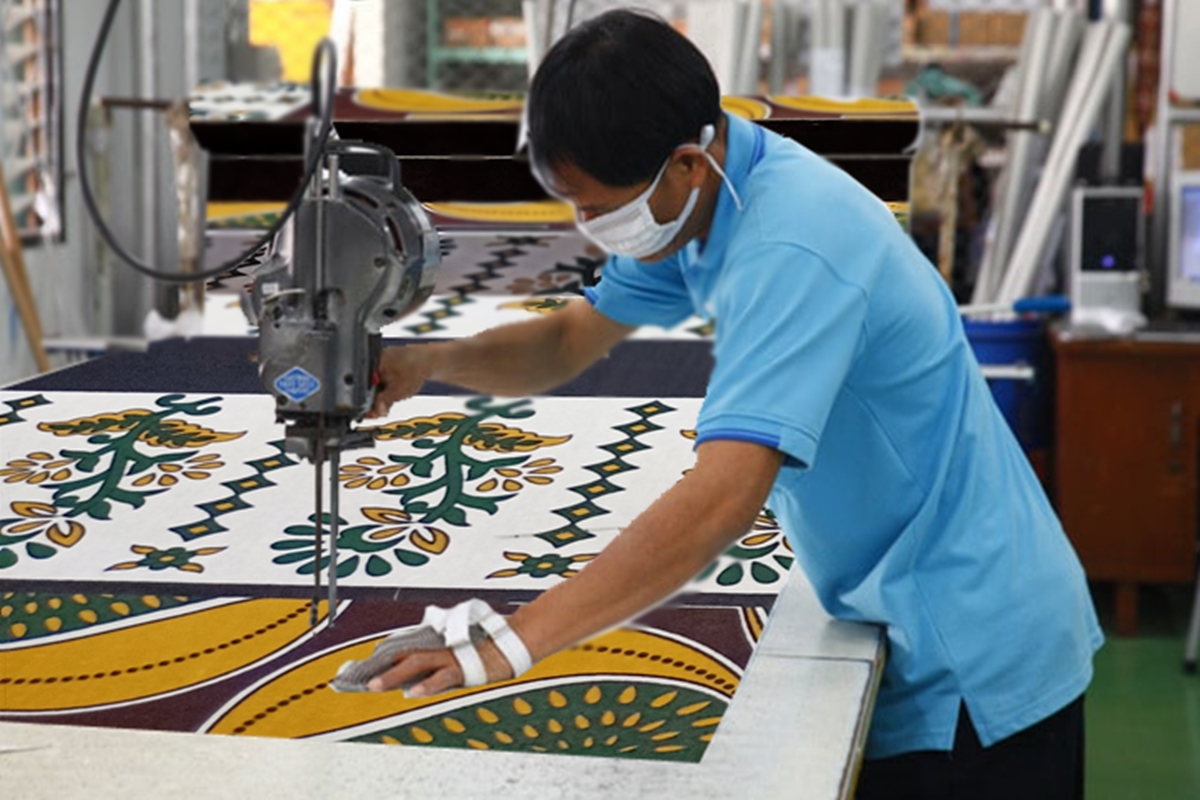
The colors, patterns, and culture that define African fabrics are renowned worldwide, making the textiles suitable for use in clothing and interior décor, among others. Sewing using African fabrics may be somewhat difficult for the novice sewist. This article discusses possible problems you may encounter when sewing with African fabrics and how to solve them.
Understanding African Fabrics
To start with, it is vital to highlight that the African textiles differ in terms of their material composition, weight, and weaving technique. For instance, the textile known as Ankara comprises 100 percent cotton and features a wax print pattern, whereas Kente textile is hand woven.
Common Sewing Problems and How to Fix Them
1. Fabric Slipping While Sewing
Fabric Slipping is a frequent problem when using the sewing machine. Slipping occurs mostly in tight and smooth fabric.
Solution:
* Use pins or clips to keep the fabric in position.
* Use a walking foot sewing machine foot.
* Sew at a slower speed.
2. Uneven Stitching
Uneven stitches can ruin the overall look of your garment and often occur due to incorrect machine settings or fabric handling.
Solution:
* Adjust your thread tension properly.
* Use the correct needle size (a universal needle size 80/12 works well for most cotton fabrics).
* Test your stitches on a scrap piece before sewing the final fabric.
3. Fabric Fraying
Some African fabrics, especially those that are loosely woven, tend to fray easily at the edges.
Solution:
* Use a zigzag stitch or an overlock (serger) to finish edges.
* Apply seam sealant or use pinking shears.
* Wash and dry the fabric before cutting to minimize fraying later.
4. Color Bleeding
Brightly dyed African fabrics can sometimes bleed color, especially during the first wash.
Solution:
* Pre-wash the fabric separately in cold water.
* Add a small amount of vinegar or salt to help set the dye.
* Avoid mixing with light-colored fabrics during washing.
5. Difficulty in Pattern Matching
African prints are often bold and detailed, making pattern matching a bit tricky.
Solution:
* Buy extra fabric to allow for proper alignment.
* Lay out your pattern pieces carefully before cutting.
* Mark key points on the fabric to ensure consistency.
6. Needle Breakage
Thicker fabrics or multiple layers can sometimes cause the sewing needle to break.
Solution:
* Use a stronger needle such as a denim or heavy-duty needle.
* Avoid pulling the fabric while sewing.
* Reduce sewing speed when working with thick layers.
7. Wrinkling and Creasing
Wrinkles can make sewing difficult and affect the final appearance of your garment.
Solution:
* Iron the fabric before cutting and sewing.
* Use the appropriate heat setting for cotton or blended fabrics.
* Press seams as you sew for a clean finish.
Tips for Better Results
Pre-wash your fabric: This helps remove excess dye and prevents shrinkage.
Use quality thread: Strong thread reduces the chances of breakage.
Take your time: Rushing can lead to mistakes, especially with detailed prints.
Practice first: If you’re new, try sewing on scrap fabric before starting your main project.
Conclusion
Sewing with African fabrics can be a rewarding experience when you understand how to handle their unique properties. By identifying common problems and applying the right solutions, you can create beautiful, professional-quality garments with confidence. Whether you’re a beginner or an experienced sewer, these tips will help you avoid mistakes and improve your sewing skills.
FAQs
1. Do I need to pre-wash African fabrics before sewing?
Yes, pre-washing is highly recommended to prevent color bleeding and shrinkage after sewing.
2. What type of needle is best for African fabrics?
A universal needle (size 80/12) works for most cotton fabrics, but for thicker materials, use a heavy-duty or denim needle.
3. How can I stop my fabric from fraying?
You can use zigzag stitching, a serger, or pinking shears to finish the edges and prevent fraying.
4. Why is my fabric slipping while sewing?
This happens due to smooth texture or improper handling. Using pins, clips, or a walking foot can solve this issue.
5. How do I maintain the brightness of African prints?
Wash the fabric in cold water, avoid harsh detergents, and dry in shade to preserve colors.