African print fabrics have come a long way from being a part of local fashion. In 2026, African print fabrics are influencing global fashion trends, and their designs are being seen on international runways, street fashion, high-end brands, and casual wear. African prints are known for their vibrant colors, intricate designs, and significance and they are soon going to be one of the most popular fashion trends around the world.
This trend report will discuss how African print fabric designs are taking over the fashion world in 2026, why they are so popular, and which designs are in vogue.
Why African Print Fabrics Are a Global Fashion Trend in 2026
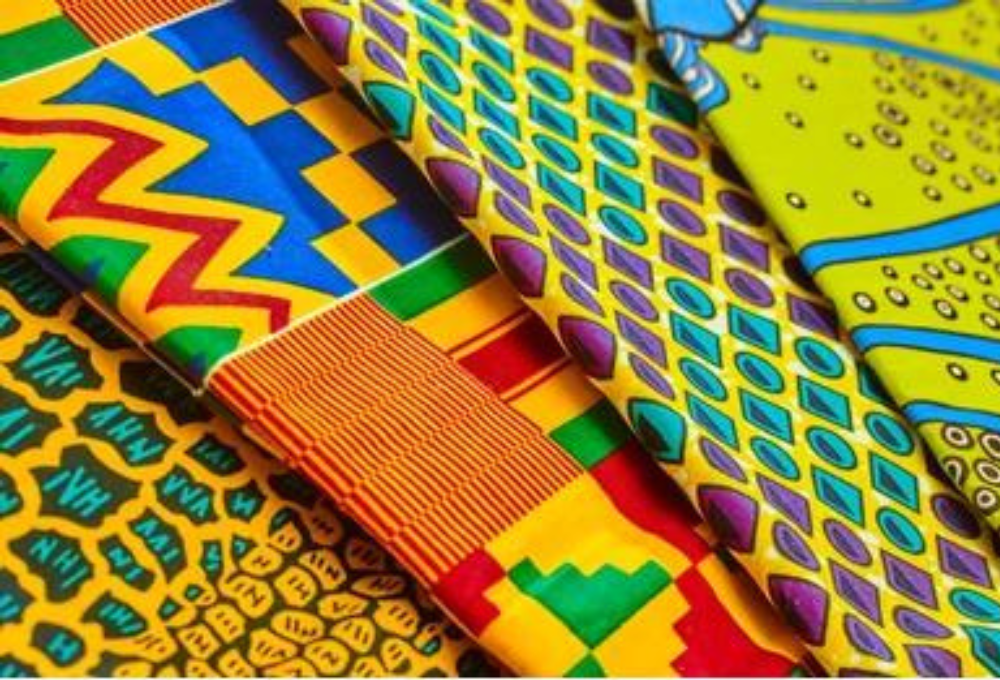
African print fabrics, also known as Ankara, Kente, or Wax Prints, are loved for their colorful patterns and rich history. In 2026, the fashion industry is embracing African print fabrics like never before.
Here are a few reasons why:
- Cultural appreciation and storytelling through fashion
- Sustainable fashion movement that promotes handmade fabrics
- African designers on the rise and recognized globally
- Celebrity influence that brings African prints to the mainstream
African prints are no longer restricted to traditional clothing; they are now a part of global fashion.
Best African Print Fabric Designs Trending in 2026
Fashion in 2026 is all about expressing one’s identity, creativity, and heritage. African print fabrics are a perfect fit for this fashion trend.
Now, let’s discuss the best styles that are dominating the market.
Modern Ankara Streetwear
One of the biggest trends in 2026 is the fusion of African prints with streetwear fashion.
Popular pieces include:
- Ankara bomber jackets
- Print hoodies with neutral tones
- Joggers with African fabric panels
- Oversized shirts with bold patterns
This mix of tradition and urban style is especially popular among younger fashion lovers worldwide.
African Print Maxi Dresses with Contemporary Cuts
Maxi dresses made with African wax prints remain a global favorite in 2026. Designers are adding modern silhouettes like:
- Off-shoulder styles
- Wrap dresses
- High-slit designs
- Puffy sleeves
These dresses are stylish, comfortable, and perfect for both casual and formal events.
Kente-Inspired Luxury Fashion
Kente cloth, originally from Ghana, is inspiring high-end fashion collections across Europe and the US.
In 2026, luxury brands are incorporating Kente-style patterns into:
- Designer coats
- Tailored suits
- Evening gowns
- Premium accessories
This shows how African heritage is influencing even the most exclusive fashion spaces.
African Print Co-Ord Sets
Matching sets are dominating fashion trends globally, and African print co-ords are leading the way.
Trending co-ord combinations include:
- Crop top + wide-leg pants
- Shirt + shorts set
- Blazer + skirt ensemble
They offer a bold, effortless look and are perfect for travel, parties, or everyday wear.
Print Fabric Accessories Taking Over
Not everyone starts with full outfits, so accessories are becoming a major entry point for African prints in global fashion.
Top accessories trending in 2026:
- Headwraps and turbans
- African print handbags
- Statement belts
- Sneakers with wax print accents
- Jewelry made with fabric elements
These pieces add instant personality to any outfit.
Global Designers Embracing African Print Fabrics
In 2026, African-inspired fashion is being celebrated worldwide. Designers from Africa and beyond are collaborating and showcasing African prints in major fashion capitals like Paris, London, Milan, and New York.
This global recognition is helping:
- Support African textile industries
- Promote cultural diversity
- Encourage ethical sourcing
- Expand African fashion markets
African prints are now seen as a symbol of creativity and global culture.
Sustainability and African Fabrics in 2026
Sustainability is one of the biggest priorities in fashion today. African print fabrics align well with the shift toward:
- Handmade production
- Local craftsmanship
- Long-lasting quality
- Ethical fashion practices
Many African designers are also using eco-friendly dyes and supporting community-based textile businesses.
This makes African print fashion both stylish and responsible.
How to Wear African Print Fabrics in 2026
If you want to follow this trend, here are simple styling tips:
- Start small with a bag or headwrap
- Pair bold prints with solid neutral colors
- Choose one statement piece at a time
- Try modern cuts for a global look
African prints are versatile and can fit any personal style.
Conclusion:
The 2026 fashion landscape is bold, expressive, and culturally rich—and African print fabric styles are at the center of it all. From Ankara streetwear to luxury Kente-inspired pieces, these fabrics are shaping how the world views modern fashion.
African prints are not just a trend—they represent heritage, creativity, sustainability, and global connection. As more designers and consumers embrace these styles, African fabrics will continue to dominate fashion well beyond 2026.
African print fabrics are commonly known as Ankara, Wax Prints, Kente, or Dashiki fabrics.
Yes, African print fabrics are one of the top global fashion trends in 2026, seen in streetwear, luxury fashion, and accessories.
Start with accessories like headwraps or bags, or choose one statement clothing piece paired with neutral colors.
Many African print fabrics are produced through local craftsmanship and ethical practices, making them a popular choice in sustainable fashion.
Ankara streetwear, maxi dresses, co-ord sets, Kente-inspired luxury designs, and print accessories are leading trends.