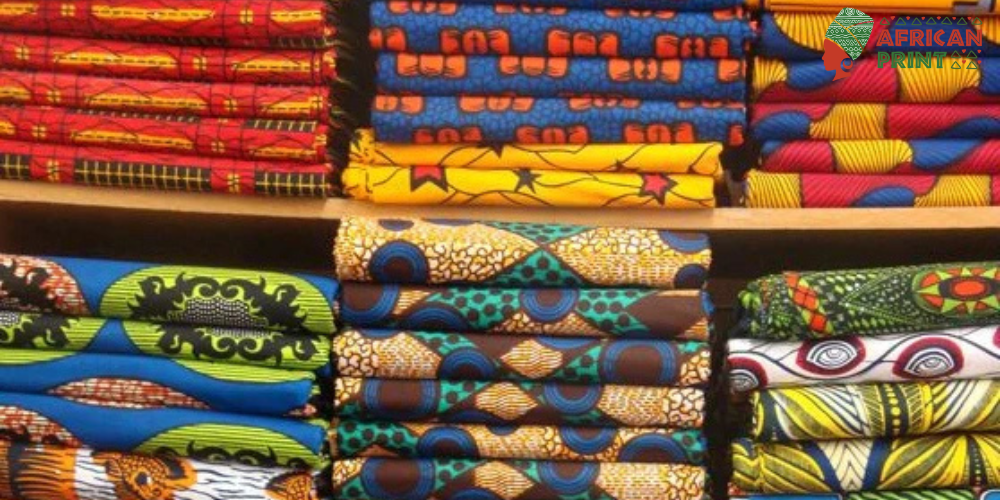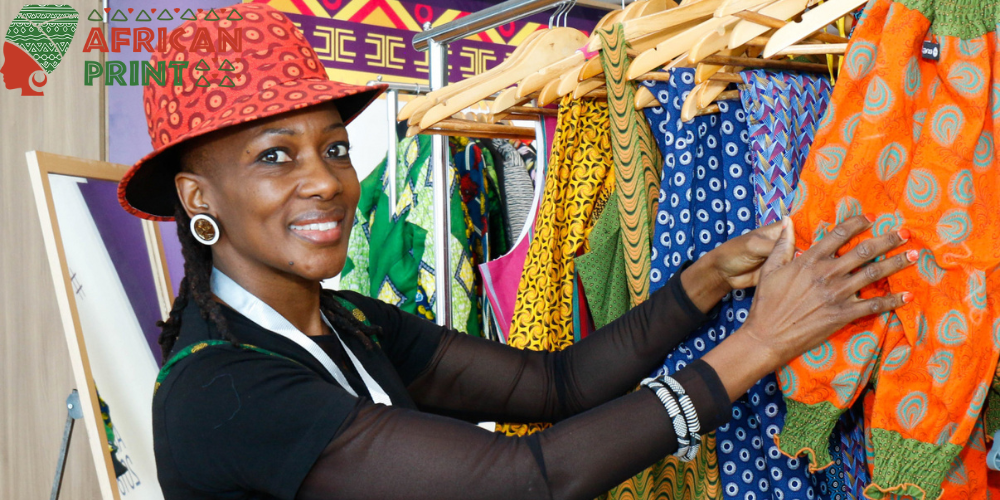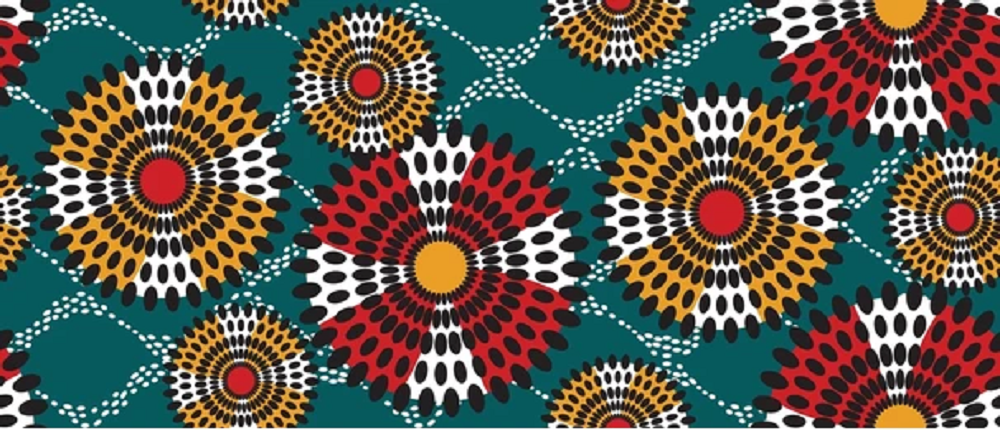
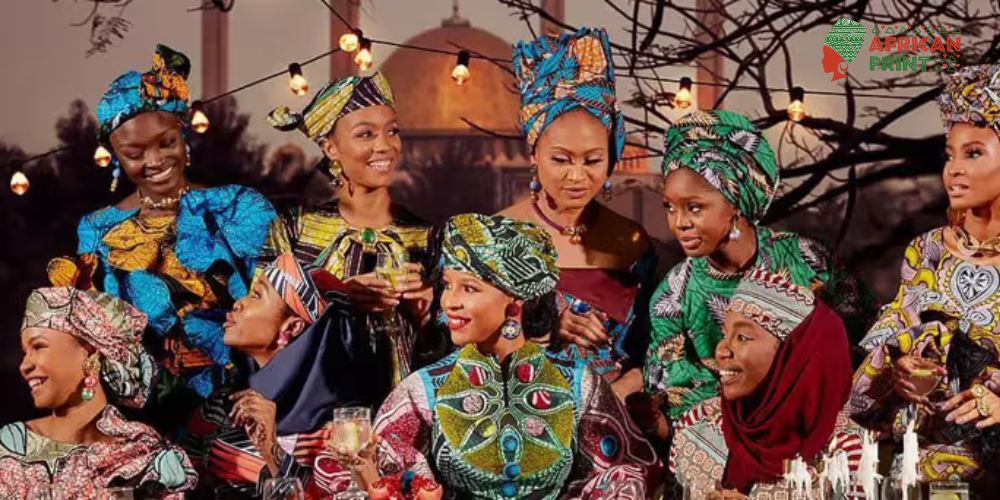
Each region and country has its own rich textile tradition, which basically symbolizes its skills and craftsmanship. Their love and respect for their culture are something to be admired. Despite the fact that their clothes may look simple at first sight, it symbolizes their love and pride for what they wear. We should never judge them through what they wear. The fabric of Africa may be woven with geometric designs and bright colors of Africa. The combination of these factors symbolizes a fabric rich in beauty and cultural wealth.
Popular Traditional African Fabric
- Ankara ( African Wax Prints)
Ankara cloth is arguably the most popular and recognized African fabric globally. Characterized by symmetrical design patterns and vibrant color, Ankaras are produced using a wax-resist dyeing technique known as Batik.
Origin: Inspired by Indonesian batik and popularized in West Africa.
Usage: Dresses, skirts, headwraps, bags, and more.
Style Notes: Such Ankara prints may also have some meanings symbolized in them.
Why Ankara is Loved:
Ankara patterns can be casual and simple or dressy and bold. Because of the versatility that Ankara exhibits, it has gained popularity among designers of modern as well as traditional attire.
- Kente Cloth
Kente cloth is a primarily considered one of the most honored African textiles; it comes from the Ashanti Kingdom in Ghana. Traditionally, Kente is woven by hand on narrow looms, and is characterized by geometric shapes in bright color combinations.
Origin: Ghanaian royalty and cultural ceremonies.
Meaning: Each color and pattern is symbolic in meaning-gold for wealth, green for growth.
Cultural Significance:
Kente is more than fabric; it’s a cultural language. Only kings and queens wore Kente cloth historically. Nowadays, it is worn across ceremonies and celebrated worldwide.
- Mudcloth (Bògòlanfini)
Mudcloth, or more specifically Bògòlanfini, originates from Mali and is known for its natural colors and painted designs. The designs, which feature symbols created from fermented mud and organic dyes, contrast to symbolize historical or cultural beliefs.
Origin: Mali.
Characteristics: Earthy color palette, organic pattern.
Usage: Clothing, accessories, home decoration.
Symbolism in Mudcloth:
Each theme carries a set of stories ranging from fertility and protection, wisdom, and community values. This makes every piece unique.
- Shweshwe Fabric
The ‘Shweshwe’ fabric is another type of printed cotton fabric and has originated from South Africa. The original ‘Shweshwe’ cloth used to be of blue color, but now they come in a variety of colors
Origin: South Africa.
Style: It is characterized by geometric
Popularity: Traditional marriage clothing, celebratory clothing, and fashion.
What Sets Shweshwe Apart:
With Shweshwe’s complex and repetitive patterns, the cloth has come to be a timeless fashion choice when it comes to the design of garments that mesh traditional and modern
- Adire Cloth
Adire is a resist-dyed hand-dyeing from Nigeria, made with both indigo and many other natural dyes. The pattern may vary from bold abstract motifs to a more subtle design based on traditional symbols.
Origin: Yoruba people of Nigeria.
Technique: Tie-dye, stitch resist, or cassava paste resist.
Looks: Deep blue hues with contrasting lighter prints.
Why Adire is Special:
Being handmade, each Adire is unique, which allows the uniqueness and joy of heritage and craftsmanship to be celebrated.
How to Wear Traditional African Fabric Today
Traditional African textiles are very diverse and have impacted the global fashion industry greatly. Here are some of the ways through which you can merge Africa’s textile traditions into modern style:
Statement Dresses: Ankara and Kente dresses make bold, stylish statements.
Headwraps & Scarves: A quick way to add color and cultural flair to any outfit.
Accessories: Bags, shoes, and accessories like jewelry made out of African prints can add so much to everyday fashion.
Home Décor: Throw pillows, curtains, and table runners featuring rich patterns and textures.
Whether it’s a little accent or a full outfit, there are limitless design opportunities when it comes to African fabrics.
Caring for Your African Fabric
To keep your African prints vibrant and long-lasting:
Wash gently: Hand wash or use a delicate cycle with mild detergent.
Avoid harsh chemicals: Skip bleach or strong stain removers.
Air dry: Avoid direct sunlight to preserve bright colors.
Iron on low heat: Use a cloth barrier to protect fabric prints.
Proper care ensures your pieces stay beautiful and wearable for years.
Why Buy African Fabric from AfricanPrint.in?
At AfricanPrint.in, we are passionate about authentic African textiles that celebrate cultural heritage and artistic expression. When you shop with us, you get:
Authentic fabrics: Sourced with care and respect for tradition.
Wide selection: From Ankara to Kente, Mudcloth, Shweshwe, and Adire.
Expert curation: Pieces perfect for fashion, décor, and gifting.
Quality you can trust: Premium materials and craftsmanship.
Whether you’re a fashion designer, fabric lover, or culture enthusiast, our collection brings the heart of African textiles to your doorstep.
Final Thoughts
Traditional African fabrics are a testament to the rich cultural legacy of the continent. From the intricate symbolism of Kente to the expressive
patterns of Ankara, each textile tells a story. Understanding these fabrics elevates your appreciation and helps you choose pieces that reflect both style and heritage.
African Fabric Supplier/Manufacturer, located in Gujarat provides one of the best quality fabrics such as African, Ankara, Real Wax, Khanga, Kaftan, Dashiki & Angle Wax print etc.. at reasonable price.