african fabric

Everything you need to know about the different traditional African fabric

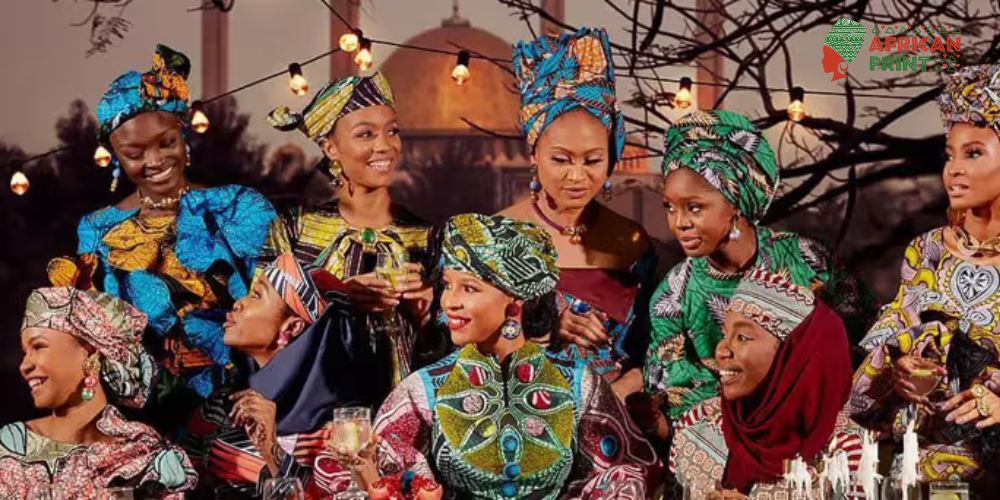
Each region and country has its own rich textile tradition, which basically symbolizes its skills and craftsmanship. Their love and respect for their culture are something to be admired. Despite the fact that their clothes may look simple at first sight, it symbolizes their love and pride for what they wear. We should never judge them through what they wear. The fabric of Africa may be woven with geometric designs and bright colors of Africa. The combination of these factors symbolizes a fabric rich in beauty and cultural wealth.

Popular Traditional African Fabric

  1. Ankara ( African Wax Prints)

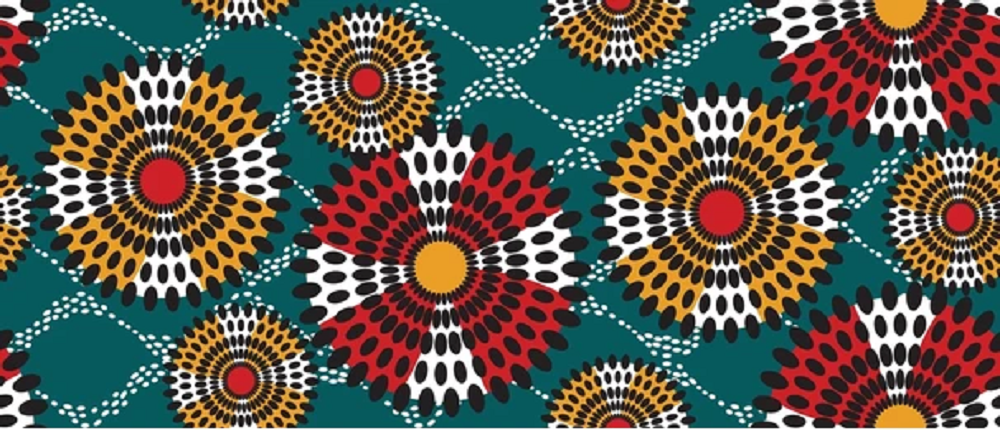
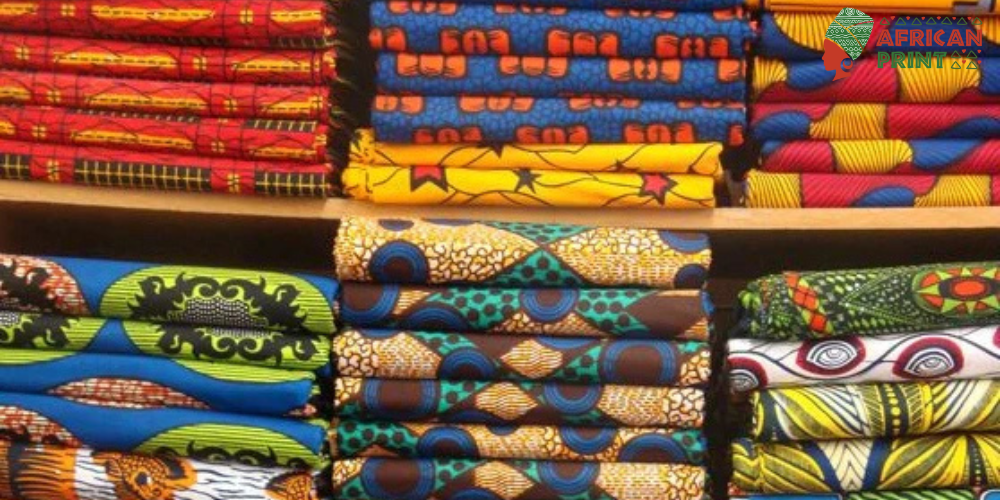
Ankara cloth is arguably the most popular and recognized African fabric globally. Characterized by symmetrical design patterns and vibrant color, Ankaras are produced using a wax-resist dyeing technique known as Batik.

Origin: Inspired by Indonesian batik and popularized in West Africa.

Usage: Dresses, skirts, headwraps, bags, and more.

Style Notes: Such Ankara prints may also have some meanings symbolized in them.

Why Ankara is Loved:

Ankara patterns can be casual and simple or dressy and bold. Because of the versatility that Ankara exhibits, it has gained popularity among designers of modern as well as traditional attire.

  • Kente Cloth

Kente cloth is a primarily considered one of the most honored African textiles; it comes from the Ashanti Kingdom in Ghana. Traditionally, Kente is woven by hand on narrow looms, and is characterized by geometric shapes in bright color combinations.

Origin: Ghanaian royalty and cultural ceremonies.

Meaning: Each color and pattern is symbolic in meaning-gold for wealth, green for growth.

Cultural Significance:

Kente is more than fabric; it’s a cultural language. Only kings and queens wore Kente cloth historically. Nowadays, it is worn across ceremonies and celebrated worldwide.

  • Mudcloth (Bògòlanfini)

Mudcloth, or more specifically Bògòlanfini, originates from Mali and is known for its natural colors and painted designs. The designs, which feature symbols created from fermented mud and organic dyes, contrast to symbolize historical or cultural beliefs.

Origin: Mali.

Characteristics: Earthy color palette, organic pattern.

Usage: Clothing, accessories, home decoration.

Symbolism in Mudcloth:

Each theme carries a set of stories ranging from fertility and protection, wisdom, and community values. This makes every piece unique.

  • Shweshwe Fabric

The ‘Shweshwe’ fabric is another type of printed cotton fabric and has originated from South Africa. The original ‘Shweshwe’ cloth used to be of blue color, but now they come in a variety of colors

Origin: South Africa.

Style: It is characterized by geometric

Popularity: Traditional marriage clothing, celebratory clothing, and fashion.

What Sets Shweshwe Apart:

With Shweshwe’s complex and repetitive patterns, the cloth has come to be a timeless fashion choice when it comes to the design of garments that mesh traditional and modern

  • Adire Cloth

Adire is a resist-dyed hand-dyeing from Nigeria, made with both indigo and many other natural dyes. The pattern may vary from bold abstract motifs to a more subtle design based on traditional symbols.

Origin: Yoruba people of Nigeria.

Technique: Tie-dye, stitch resist, or cassava paste resist.

Looks: Deep blue hues with contrasting lighter prints.

Why Adire is Special:

Being handmade, each Adire is unique, which allows the uniqueness and joy of heritage and craftsmanship to be celebrated.

How to Wear Traditional African Fabric Today

Traditional African textiles are very diverse and have impacted the global fashion industry greatly. Here are some of the ways through which you can merge Africa’s textile traditions into modern style:

Statement Dresses: Ankara and Kente dresses make bold, stylish statements.

Headwraps & Scarves: A quick way to add color and cultural flair to any outfit.

Accessories: Bags, shoes, and accessories like jewelry made out of African prints can add so much to everyday fashion.

Home Décor: Throw pillows, curtains, and table runners featuring rich patterns and textures.

Whether it’s a little accent or a full outfit, there are limitless design opportunities when it comes to African fabrics.

Caring for Your African Fabric

To keep your African prints vibrant and long-lasting:

Wash gently: Hand wash or use a delicate cycle with mild detergent.

Avoid harsh chemicals: Skip bleach or strong stain removers.

Air dry: Avoid direct sunlight to preserve bright colors.

Iron on low heat: Use a cloth barrier to protect fabric prints.

Proper care ensures your pieces stay beautiful and wearable for years.

Why Buy African Fabric from AfricanPrint.in?

At AfricanPrint.in, we are passionate about authentic African textiles that celebrate cultural heritage and artistic expression. When you shop with us, you get:

Authentic fabrics: Sourced with care and respect for tradition.

Wide selection: From Ankara to Kente, Mudcloth, Shweshwe, and Adire.

Expert curation: Pieces perfect for fashion, décor, and gifting.

Quality you can trust: Premium materials and craftsmanship.

Whether you’re a fashion designer, fabric lover, or culture enthusiast, our collection brings the heart of African textiles to your doorstep.

Final Thoughts

Traditional African fabrics are a testament to the rich cultural legacy of the continent. From the intricate symbolism of Kente to the expressive

patterns of Ankara, each textile tells a story. Understanding these fabrics elevates your appreciation and helps you choose pieces that reflect both style and heritage.

African Fabric Supplier/Manufacturer, located in Gujarat provides one of the best quality fabrics such as African, Ankara, Real Wax, Khanga, Kaftan, Dashiki & Angle Wax print etc.. at reasonable price.
african printed fabric

How can I find the buyers of African-printed fabric?

It can be exciting to find buyers for african print market. Especially when cultural textiles have gained popularity in market. If you are thinking where to start, then you come to the right place. Here are some tips you can follow to find genuine buyers.

Understanding Your Market African Printed Fabric

Research the Demand

Before diving into selling, it’s vital to understand who wants to buy African-printed fabric. Start your journey by:

  • Finding Markets in Your Location: Stroll through maker spaces, craft fairs, or festivals in your area. You may stumble upon fashions designers, artisans, or individuals that appreciate unique textiles. Also, pay attention to trends, and notice what aesthetics and types of prints drew people’s attention.
  • Online Communities: Websites like Reddit or fabric-specific forums have active communities talking about textile trends. Monitor conversations about African prints, designers seeking fabric, or individuals looking for project ideas.

Identify Potential Buyers

Take note of:

  • Fashion Designers: Mostly designers often look unique collection fabrics. Reach out through social media or fashion communities. Where you can find a connection on these platforms like insta & fb also.

Leverage Social Networks

A friendly approach goes a long way.

  • Facebook Groups: Join groups focused on fabric buying or African prints specifically. Engage with posts, share your products, and get feedback. The personal connection often leads to sales.
  • Link with Influencers: Collaborating with fashion influencers who appreciate African textiles can expose your fabric to a larger audience. You might offer them some samples in exchange for promotion on their platforms.

Engaging with Local Businesses

Partner with Local Boutiques

Local boutiques can be an excellent avenue for selling fabric.

  • Consignment Agreements: Suggest leaving some of your fabric on consignment at a local store. They display your work with no upfront investment and you gain a new source of customers.
  • Networking: Attend local events or fashion shows related to the industry where you can network with boutique owners and fellow creators. Developing personal relationships may open up new collaboration opportunities.

Attend Trade Shows

Trade shows offer an ideal opportunity for meeting buyers and industry representatives.

  • Textile Expos: Look for textile experience-type exhibitions on cultural fabrics or handmade products. In-person meetings may lead to a partnership in the future, and they may provide valuable suggestions on how to improve your offering.

“The best part of attending these types of events is connecting the right people sometimes feel like a goldmine! So, always have your business cards along with some samples!”

Expanding Your Reach with African Printed Fabric

Explore International Markets

Don’t limit your search to just local buyers!

  • Shipping and Logistics: We need to find international shipping options. Offering may be affordable or free shipping on larger orders can be a great incentive for international buyers.

Social Responsibility

You can do focus your story behind your fabric through which inspire many buyers.

  • Ethical Sourcing: If your fabric is supports local artisans, you can include in your marketing strategy. There is lot of consumers available in market who finds brands that share their values.

Building Relationships

Stay Connected

Once you have connected with buyers, it is important to assume that relationship is going to last.

  • Follow Up: After a sale, send a thank-you note or ask for feedback. These gestures will certainly go a long way for your future business.
  • Loyalty Programs: You could also create a loyalty program or schedule discounts for returning customers. I think everyone loves a good deal, and that tends to motivate future purchases.

 Stay Engaged

Continue to keep your fabric, along with its story, top of mind for your buyers.

  • Newsletter: A monthly newsletter that showcases new fabric offerings, ideas, or share a story about the fabric will keep buyers engaged, and with a little effort, create anticipation for your next newsletter.

As you explore these channels, remember to reach out in a friendly way, as this may lead to the ultimate goal of identifying buyers who are looking for African-printed fabric. And don’t forget that the process is as important as the end product- so have fun with all of the steps toward your goal!

african print

History of African Fabric Print

African prints are also known as Ankara prints or Dutch wax prints. It is a vibrant and unique fabric that has captured the world’s imagination. striking colors intricate patterns And its rich history makes it a symbol of African culture. And it’s a popular choice for fashion lovers everywhere…

This complete guide delves into the world of African prints. Explore the origins cultural significance Various designs and modern applications Whether you are a seasoned fashionista or just curious about this lovely fabric. African prints will provide valuable insights and inspiration.

A Journey Through History: The Origins of Printing in Africa

The story of printing in Africa begins with the arrival of European traders on the African continent in the 17th century. Europeans initially imported Indian and other textiles. from India and Europe for trade with African communities. Early textiles These are often hand painted or printed with floral and geometric patterns.

But in the mid-19th century, a new technology emerged that revolutionized the African textile world. Dutch textile manufacturers developed a technique called wax-resist dyeing. This allows for the creation of complex multi-colored patterns on cotton fabric. This technique involves applying hot wax to the fabric to prevent dye penetration. Once dyed The wax will be removed. Revealing the vibrant patterns that are unique to contemporary African prints.

Cultural significance: More than clothing

African prints have transcended their visual appeal and continue to hold deep cultural significance across the continent. It serves as a powerful symbol of identity, heritage and tradition. Different colors, patterns and patterns often have specific meanings in different African cultures.

Traditionally, African print has been used to create a wide variety of clothing, from everyday put on to ceremonial apparel. It’s worn for the duration of weddings, funerals, spiritual ceremonies, and cultural festivals. Wearing African print is a manner to connect with one’s background and express cultural pride.

A Kaleidoscope of Colors and Designs

The global of African print is a vibrant electricity  of colours and styles. Here’s a glimpse into the various design landscape:

 Colors: African prints are famend for their formidable and saturated colorings. From fiery reds and  yellows to deep blues and emerald veggies, the color palette is as diverse because the continent itself.

Patterns: The layout vocabulary of African print is wealthy and wide varitey of colours. Common motifs encompass geometric shapes like squares, triangles, and stripes, as well as more natural paperwork like leaves, flora, and animals. Some famous styles consist of:

kaftan cloth: Characterized by means of a stripped or checkered sample achieved thru a dust-dyeing method.

Kente fabric: A Ghanaian material acknowledged for its difficult geometric patterns woven in colourful hues, frequently signifying social repute or lineage.

 Khanga cloth : A Nigerian indigo-dyed material providing geometric patterns created via resist dyeing strategies.

Ankara  material: A wellknown term for industrially produced African print fabrics with a wide type of styles and colorations.

Modern Applications: Beyond Traditional Wear

Today, African print has transcended its traditional roots to emerge as a global fashion phenomenon. Designers global are incorporating African prints into their collections, creating everything from chic dresses and contemporary separates to assertion accessories and homeware.

The diversity of African typography allows it to be used in a variety of modern applications:

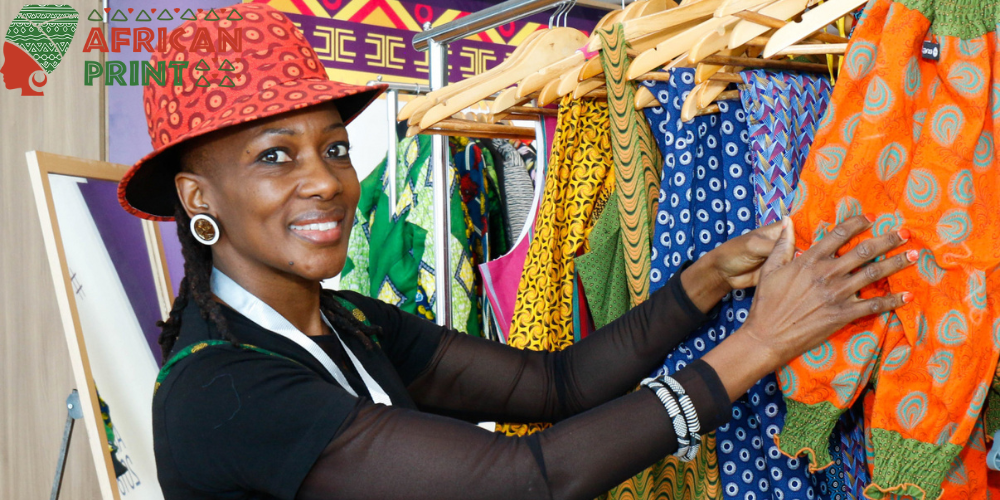
 Fashion: African prints are a popular choice for everyday wear, formal wear, and even sportswear. Dresses, shirts, socks, tank tops, jackets, and accessories are adorned with African prints. together It adds a touch of culture and lively personality to any outfit.

Artigos para casa: African prints can be used to create impressive home decor elements such as pillows, blankets, tablecloths and wall hangings. These works add color and cultural charm to living spaces.

 Art and Accessories: African prints are not limited to clothing and household items. Can be used to create art, bags, jewelry. and other special accessories To add a touch of interesting culture to everyday life.

The Future of Printing in Africa: Sustainable and Ethical Schools

This is because printing in Africa continues to be popular. The importance of sustainable practices has become universal. Consumers are increasingly aware of the environmental and social impacts of their clothing stores.

african wax prints

Elevate Your Style with Online African Wax Prints

Now a day’s In a World fashion choices can be overwhelming, finding a unique personality is very important. African wax prints, known for their rich fashion, offer an avenue for self-expression that transcends trends.

As you’re thinking about purchasing a special thing, African wax prints provides a world class fabric at your fingertips. In this content we’ll explore about African Fabric, how to get in your wardrobe, and some superb online sources to get started.

Attractive African Wax Print Fabrics

African wax prints are appreciable and available in multiple of colors. Originally introduced to Africa by Dutch traders in the 19th century, these fabrics have evolved into a significant part of African identity and expression. 

Cultural Significance

Each print carries its own symbolism. For instance, some patterns may represent nature, while others tell tales of community. Here are a few key themes found in African wax prints:

Tradition: Many prints are rooted in the cultures of specific ethnic groups and are often worn during ceremonies and celebrations.

Storytelling: Fabrics may include motifs that depict historical events or societal values.

Modern Impact: African Fabric use traditional patterns with modern dresses, reflecting past and present.

How to collect African Wax Prints into your Home

It is not difficult incorporate African wax prints into your wardrobe. Here are several versatile ways to elevate your style:

Statement Pieces

You should choose a pattern that echoes with your personality, and let it be the focal point.

Maxi Dresses: Ideal for summer outings or beach vacations.

A-Line Skirts: Perfect for both casual and semi-formal settings.

Layering

Layering is a smart technique to incorporate wax prints into your outfit without effect. Combine prints with neutral basics for balanced outfits.

Blazers: A colorful wax print blazer can turn a basic pantsuit into something extraordinary.

Scarves: Use a printed scarf to add color to your winter coat or summer sundress.

Where to Shop for African Wax Prints Online

When you’re excited to get new collection into your wardrobe, here are some online sources where you can explore new variety of options:

1. Etsy

Etsy is a plateforms where you can sell handmade and unique items. You can find a wide range of African wax print collection made by artisans, from clothing to home goods.

2. Kente Gentlemen

For more focused offerings, Kente Gentlemen provides a selection of traditional and modern wax prints aimed at diverse fashion aesthetics.

3. African Fabric Shop

This online retailer specializes in African fabrics and offers an excellent collection that includes wax prints suitable DIY projects and garments.

Conclusion

Embrace the beauty of African wax prints and showcase your unique style! Find more about African fashion, cultural significance, or styling tips to expand your wardrobe options further. Don’t forget to tell your friends about these vibrant prints; after all, style is best enjoyed when shared!